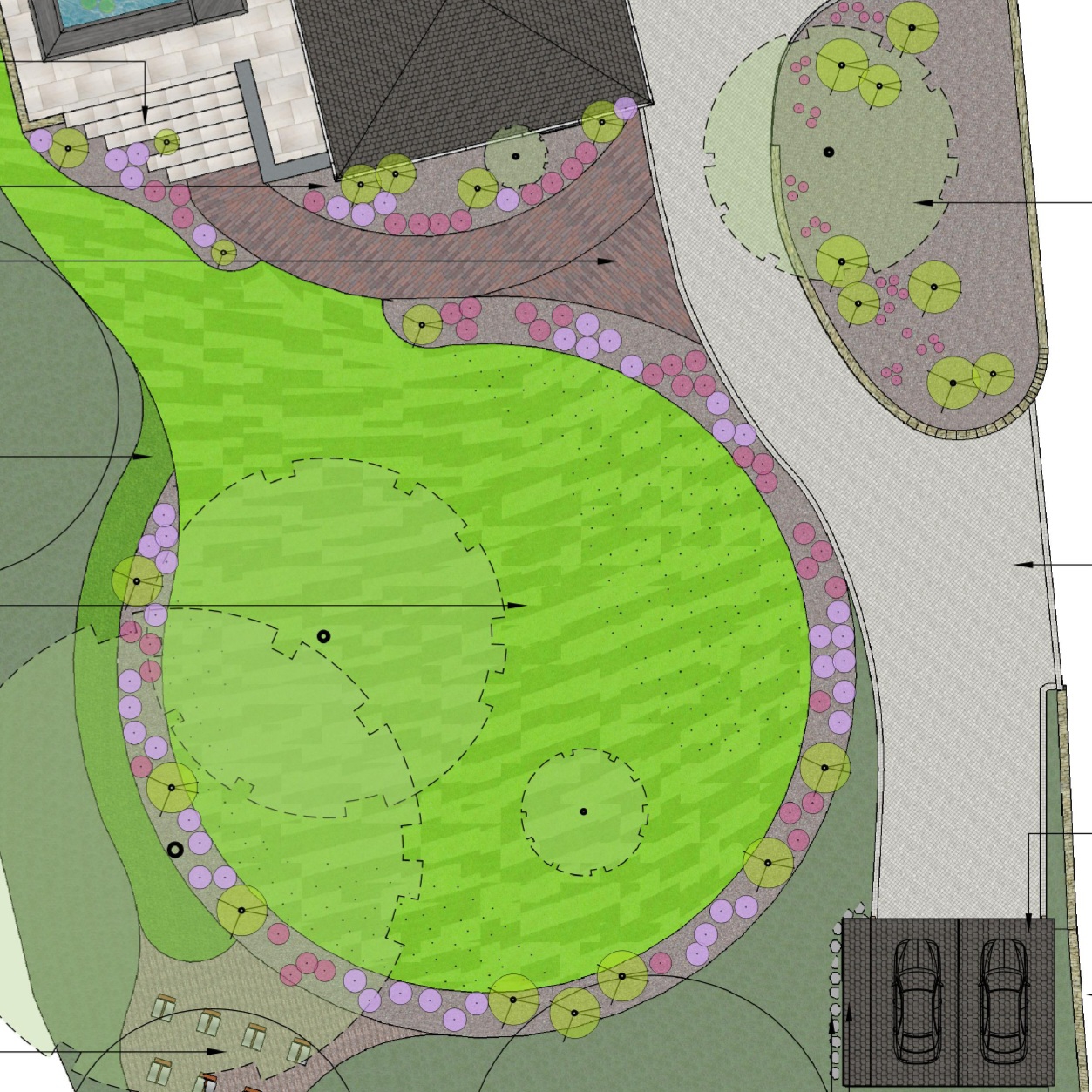
Creating an Ecological Garden for a Young Family

Designing a garden for a young family often feels like a balancing act. You want a space that’s safe and practical for children, easy to maintain, and still beautiful to spend time in. At the same time, more people are looking to garden in a way that supports wildlife and works with nature rather than against it.
The good news is that these goals don’t compete—they actually complement each other. An ecological garden can be one of the richest, most engaging environments for children to grow up in.
Here’s how to create a garden that works for both your family and the wider ecosystem.
Start with How You’ll Actually Use the Space
Before thinking about plants or materials, think about daily life.
Where will the kids run?
Where will you sit with a coffee?
Where do you need clear, usable space?
Most family gardens benefit from:
- A simple open lawn or play area
- A seating space near the house
- Clear paths for movement
Once these practical needs are in place, the rest of the garden can become more relaxed and nature-led.
Keep One Area Simple and Open
Children need space to move, play, and kick a ball around. Keeping a section of lawn or open space is not the opposite of ecological gardening—it’s part of a balanced design.
The key is contrast.
Instead of managing the entire garden intensively, keep one main area short and usable, and allow the surrounding edges to become more natural.
Soften the Edges with Wildlife Planting
The edges of a garden are where rewilding can happen most effectively.
Planting along boundaries with a mix of shrubs and perennials creates:
- Shelter for birds
- Food for pollinators
- A sense of enclosure and calm
Good choices include:
- Hawthorn and dog rose for structure
- Lavender and salvia for pollinators
- Grasses and perennials for movement and texture
This creates a garden that feels alive without becoming overwhelming.
Make Nature Part of Play
One of the biggest advantages of an ecological garden is how naturally it encourages play and curiosity.
Instead of relying only on plastic play equipment, consider:
- Log stepping stones
- A small digging or mud area
- A shallow wildlife pond (safely designed)
- Bug hotels or log piles
Children are naturally drawn to exploring insects, water, and plants. These features often become more engaging than traditional play equipment.
Design for Low Maintenance (Realistically)
With a young family, time is limited. An ecological approach can actually reduce maintenance if done properly.
Focus on:
- Mulching beds to suppress weeds
- Using hardy, perennial planting
- Reducing mowing areas over time
- Letting some areas grow naturally
The goal is not no maintenance, but less frequent, more meaningful work.
Avoid Chemicals and Keep It Safe
An ecological garden avoids pesticides and herbicides, which is especially important for families with young children.
This creates a safer environment where kids can:
- Play freely on the grass
- Handle plants and soil
- Explore without constant worry
Healthy soil and plant diversity will naturally help keep pests in balance over time.
Add a Simple Wildlife Feature
You don’t need a large garden to make a difference.
Even one of the following can transform the space:
- A small pond
- A native hedge
- A long grass patch
- A flowering border for pollinators
These features quickly attract life into the garden, from bees and butterflies to birds and amphibians.
Let the Garden Evolve
An ecological family garden doesn’t need to be perfect from day one.
Start simple:
- Create a usable layout
- Add planting around the edges
- Introduce one or two wildlife features
From there, the garden can grow with your family. As children get older, spaces can shift, planting can mature, and the garden will naturally become richer and more established.
A Garden That Grows With You
The best family gardens are not just practical—they’re full of life.
By taking an ecological approach, you create a space where:
- Children can play and explore
- Wildlife can thrive
- Maintenance stays manageable
- The garden feels calm, natural, and evolving
It becomes more than just a garden. It becomes a place where both your family and nature can grow side by side.
If you’re looking to create a family-friendly, nature-led garden, Chew Gardens offers practical help with design, planting, and simple ecological improvements that fit around real family life.