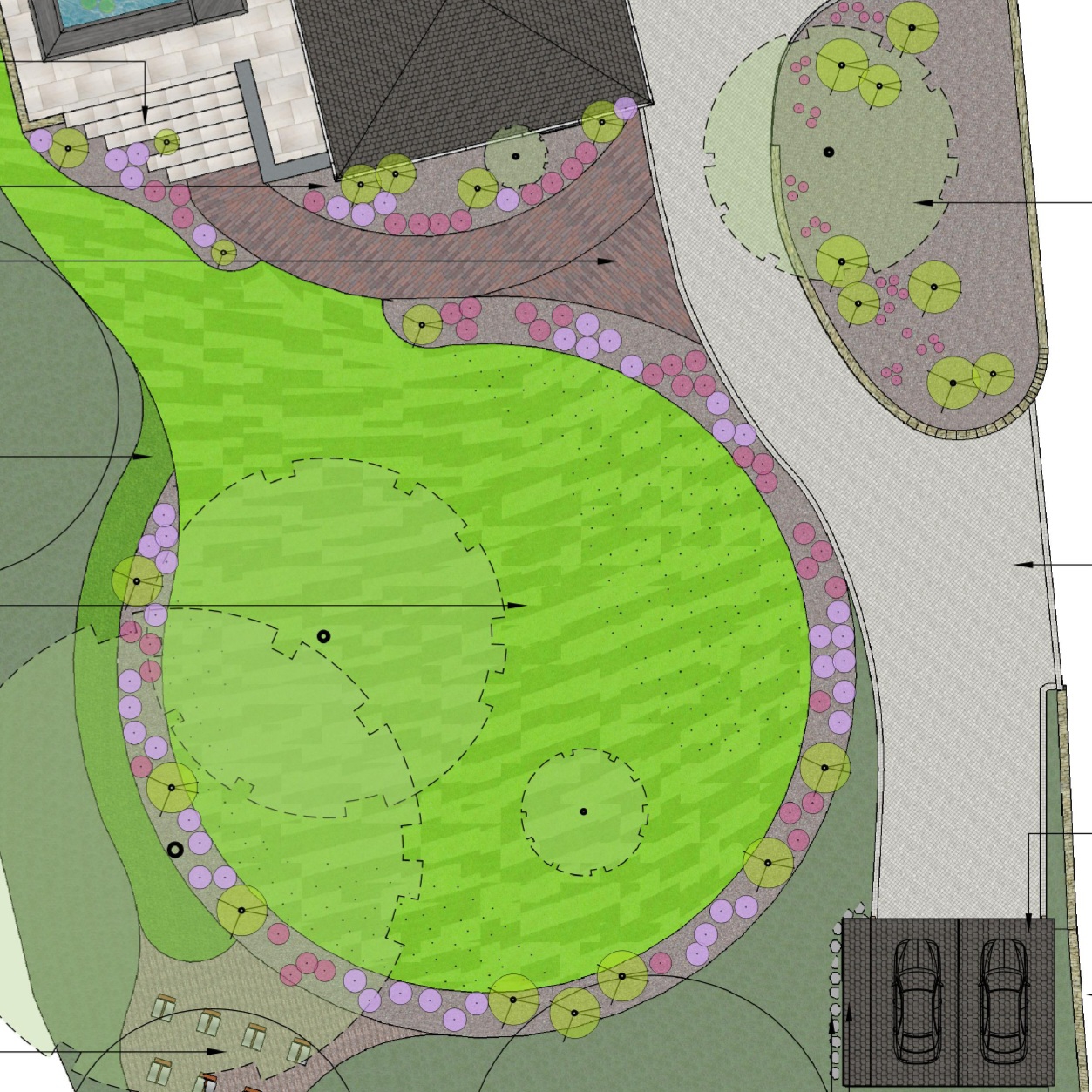
How to Rewild Your Chew Valley Garden

Across the Chew Valley, more people are starting to look at their gardens differently. Instead of trying to control every plant and blade of grass, many are asking a new question:
What if my garden could work with nature instead of against it?
Rewilding a garden does not mean letting everything become completely overgrown. It simply means creating the right conditions for wildlife, native plants, and natural processes to thrive again. The good news is that even small changes can have a big impact.
Here are some practical ways to start rewilding your Chew Valley garden.
Start by Doing Less
One of the simplest steps towards rewilding is to reduce some of the habits that suppress natural growth.
This might include:
- Mowing the lawn less frequently
- Leaving some areas of the garden a little wilder
- Avoiding pesticides and herbicides
- Leaving autumn leaves in borders to break down naturally
Many gardens already contain dormant wildflower seeds in the soil. Once mowing and chemicals are reduced, these plants often begin to appear on their own.
Create Areas of Long Grass
Allowing part of the lawn to grow long can quickly create a mini meadow habitat. Long grass supports insects, pollinators, and small creatures that form the base of a healthy ecosystem.
A good approach is to leave one section of lawn unmown while keeping paths or edges trimmed. This keeps the garden looking intentional while still allowing nature to return.
Over time, wildflowers such as oxeye daisy, knapweed, and clover may begin to establish.
Add Native Plants and Shrubs
Native plants are especially valuable for wildlife because local insects and birds have evolved alongside them.
Some excellent options for Chew Valley gardens include:
- Hawthorn
- Dog rose
- Hazel
- Elder
- Honeysuckle
These plants provide nectar for pollinators, berries for birds, and shelter for a wide range of wildlife.
Build Simple Wildlife Habitats
Wildlife often needs small pockets of shelter to thrive.
You can create these easily by adding:
- Log piles in quiet corners
- Stacked stones or small rubble areas
- A “dead hedge” made from prunings
- A small wildlife pond
Even a very small pond can dramatically increase biodiversity in a garden.
Leave Stems and Seedheads Over Winter
Many beneficial insects spend winter inside hollow stems or seedheads.
Instead of cutting everything back in autumn, try leaving plants standing until late winter. Not only does this support wildlife, but frosted seedheads can also bring structure and beauty to the winter garden.
Think in Habitats
A rewilded garden often works best when it contains a mix of different habitats, for example:
- Meadow area
- Shrub or hedge section
- Pond or water feature
- Long grass margins
- Log piles or natural corners
Even in a modest garden, these features can create a surprisingly rich environment for wildlife.
Small Changes Make a Big Difference
Rewilding doesn’t have to happen all at once. Often the most successful approach is gradual—allowing the garden to evolve naturally over time.
In the Chew Valley, where we’re surrounded by beautiful countryside, our gardens can become small extensions of the wider landscape. By making space for nature, we can support pollinators, birds, and wildlife while also creating gardens that feel more relaxed, resilient, and full of life.
If you’re interested in creating a more wildlife-friendly garden in the Chew Valley, Chew Gardens offers practical help with ecological gardening, habitat creation, and gentle garden development that works with nature.