July 2026 - Drought-Tolerant Planting


I spent another day working at this fantastic garden in East Harptree recently, getting on with a mixture of the usual seasonal jobs — rose deadheading, bramble hunting, bamboo removal and plenty of general garden development.
One of the things I particularly enjoy about working in a garden over a number of years is seeing how different plants respond to the conditions we actually have, rather than simply how they are expected to perform on paper.
And with our summers becoming noticeably hotter and drier, it is becoming increasingly interesting to see which plants cope well with the conditions we now experience each year.
Gravel gardens and hot summers
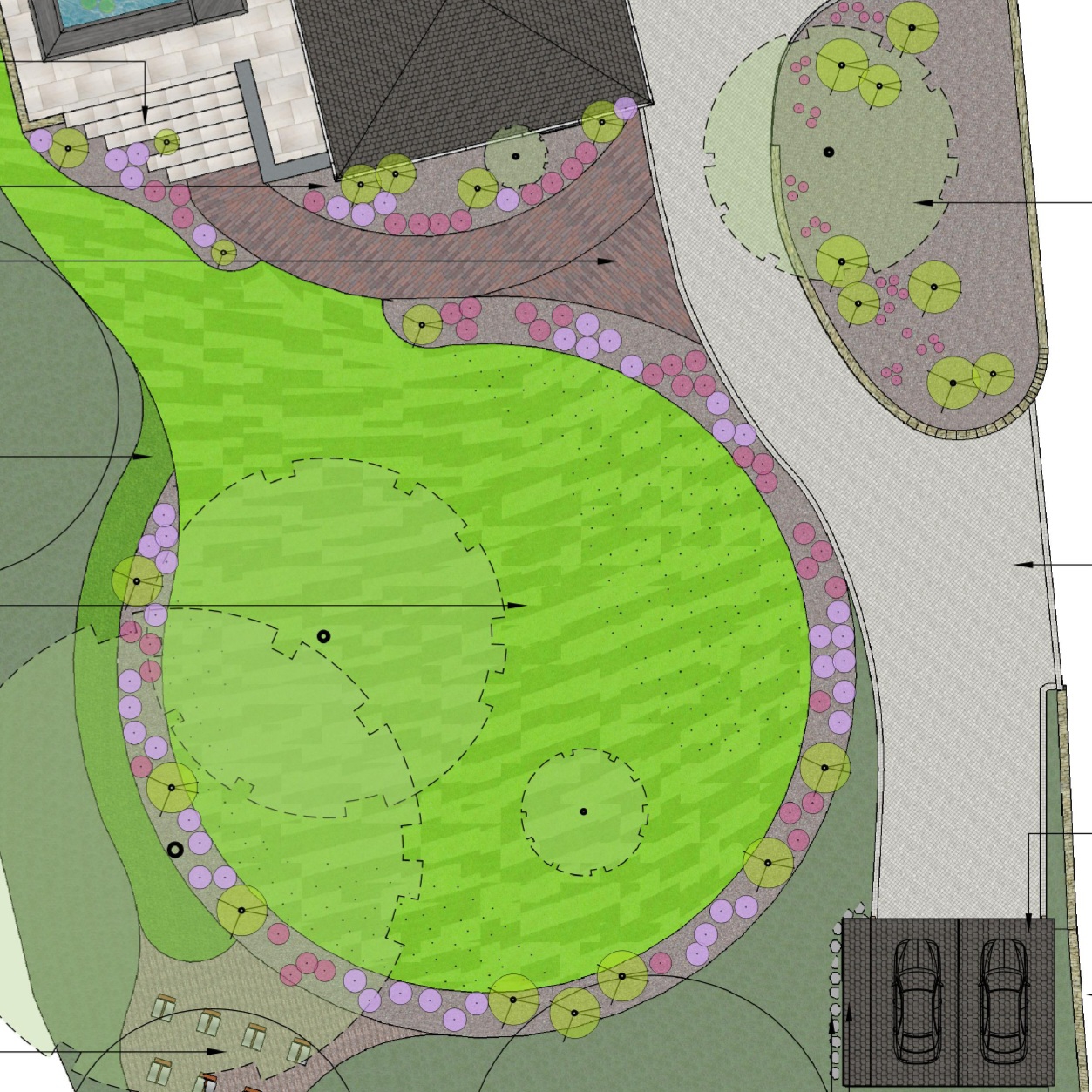
The clients here have always had gravel used extensively around the patio and planting areas, and this style of planting seems particularly well suited to hot summers.
The gravel provides a relatively free-draining surface and, combined with the right plants, creates conditions where many drought-tolerant species can thrive. It also gives self-seeding plants plenty of opportunities to establish themselves in cracks and gaps, often producing a more relaxed and naturalistic planting scheme over time.
Fennel, verbena and Erigeron are all doing particularly well here. These are plants that seem to relish the combination of sun, warmth and relatively free-draining conditions, while also bringing plenty of movement and interest to the garden.
Other plants worth considering for hot, dry areas include ornamental grasses such as Stipa tenuissima and Stipa gigantea, along with lavender, rosemary, thyme, salvias, sedums and other Mediterranean or drought-tolerant perennials.
This doesn't mean that these plants never need water. Newly planted specimens will still need watering while they establish, particularly during prolonged dry periods. The aim is instead to choose plants that are naturally better adapted to coping with dry conditions once established, reducing the amount of additional watering they require.
Developing a Mediterranean-inspired area
Following discussions about the continued development of the garden, we are also going to create a dedicated Mediterranean-inspired area.
This will build on what is already working well in the garden, using gravel as the main surface and introducing plants that enjoy a hot, sunny and relatively dry environment.
Rosemary, bay, herbs and a selection of plants in pots will form part of the scheme, creating a slightly different character within the wider garden.
I particularly like the idea of this being something that feels as though it has naturally evolved from the existing garden rather than being a completely separate style imposed upon it. The gravel areas are already demonstrating that this type of planting can work extremely well here, so we can develop that idea further.
As our summers continue to change, I think gardens like this provide useful lessons. Rather than simply trying to keep planting schemes alive through increasingly hot and dry periods, there is an opportunity to rethink what we plant and how we create the conditions for plants to succeed.
Sometimes the garden itself is the best guide.