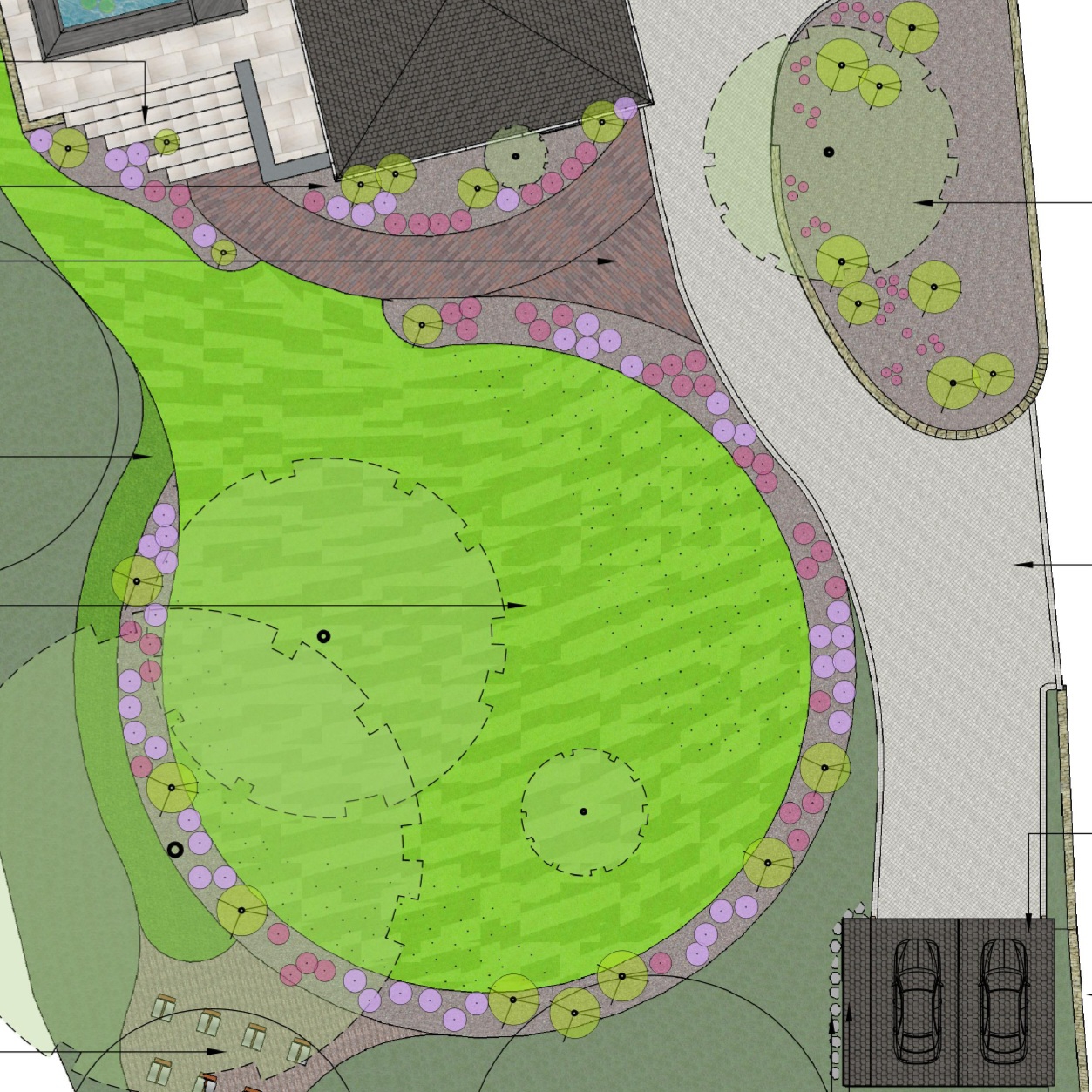
Rewilding Your Garden: Making More Room for Nature

Rewilding is becoming an increasingly familiar idea in Britain. From restoring wild landscapes to encouraging wildlife back into our towns and villages, there is growing interest in allowing nature more freedom to thrive.
But what does rewilding mean when it comes to our gardens? And how can we create spaces that support wildlife while still being beautiful, practical and enjoyable to live in?
At Chew Gardens, we believe that gardening and garden design can play an important role in giving nature more space. Through ecological design, thoughtful planting and practical habitat creation, we can transform ordinary gardens into richer, more diverse places that work with nature rather than constantly against it.
What is rewilding?
At its heart, rewilding is about restoring natural processes and allowing ecosystems to become more self-sustaining. Rather than controlling every aspect of a landscape, we give nature the opportunity to establish, regenerate and change over time.
In a garden, this might mean allowing wildflowers to flourish in a lawn, planting native trees and shrubs, creating a wildlife pond or leaving deadwood to provide shelter for insects and other animals.
It could mean allowing a corner of the garden to develop into natural scrub, encouraging plants to self-seed, or replacing areas of closely mown grass with a more diverse mixture of vegetation.
Sometimes, it means doing less.
But rewilding isn't simply about abandoning a garden and letting everything grow unchecked. A neglected space can become dominated by a small number of vigorous plants, while opportunities to create diverse habitats are missed. Invasive plants may also need controlling.
Successful rewilding is about understanding a place, recognising its potential and making considered decisions about where to intervene — and where to step back.
Rewilding doesn't have to mean an untidy garden
One of the biggest misconceptions about wildlife-friendly gardening is that we must choose between a beautiful garden and one that benefits nature.
In reality, the two can work together.
A carefully mown path through a wildflower meadow creates access and a sense of discovery. Naturalistic planting can provide colour, texture and structure throughout the year. A wildlife pond can become a beautiful focal point, while also supporting a remarkable variety of life.
Native hedges, mixed shrubs, mature trees and climbing plants can soften boundaries, create shelter and connect different habitats. Deadwood can be incorporated into natural edges, log piles or informal structures rather than removed from the garden.
Even relatively small changes can make a difference.
The key is to think about how the garden functions as a whole: where people spend time, how they move through the space, what grows naturally and where wildlife can feed, shelter and reproduce.
Good ecological garden design brings these elements together.
How can we rewild a garden?
Every garden is different, and there is no single formula for creating a more natural space. Soil, sunlight, moisture, existing vegetation and the needs of the people using the garden all influence what will work best.
At Chew Gardens, ecological practice can involve a combination of the following approaches.
Creating wildlife habitats
Ponds, log piles, dead hedges, wildflower areas and undisturbed corners provide opportunities for wildlife to feed, shelter and reproduce. Rather than treating these features as additions to a garden, we can incorporate them into the design from the beginning.
Planting for biodiversity
A diverse mixture of trees, shrubs, perennials, grasses and self-seeding plants can provide food and shelter across different seasons. Native plants can be particularly valuable for wildlife, while carefully selected non-native plants can also contribute nectar, pollen and other resources.
Working with the existing landscape
Rather than starting from scratch, we can make use of existing trees, natural regeneration, local materials and the characteristics of the site. On heavier soils, for example, working with natural drainage and moisture levels may produce better results than trying to recreate conditions that don't belong there.
Reducing unnecessary intervention
Not every plant needs cutting back, every leaf needs clearing or every lawn needs mowing regularly. By identifying where intervention is genuinely useful, we can reduce repetitive work and allow more natural variation to develop.
Connecting wild and cultivated areas
A wildlife-friendly garden can still have productive vegetable beds, seating areas, lawns, attractive borders and places for children to play. The aim is to find a balance between the needs of people and the needs of nature, rather than expecting every part of the garden to serve the same purpose.
Does rewilding mean leaving a garden alone?
Sometimes, the best thing we can do is very little.
Once established, some habitats can largely look after themselves. But others benefit from occasional, carefully timed management.
A wildflower meadow, for example, may need cutting and the removal of cuttings to maintain its diversity. A developing woodland edge may benefit from selective thinning. Paths might need keeping clear, and invasive plants may require control.
The difference is that management has a clear purpose.
Instead of repeatedly cutting, clearing and tidying simply because that is what we have always done, we consider what each part of the garden needs to remain healthy and function well.
This approach can also mean less work for the homeowner. By choosing appropriate plants, creating stable habitats and reducing the areas that demand frequent attention, we can develop gardens that are easier to care for over time.
The objective isn't necessarily to eliminate gardening altogether. It is to make our efforts more considered, more useful and more beneficial to the environment.
Rewilding as part of ecological garden design
For us, rewilding is one part of a broader ecological approach to gardening and design.
That means looking beyond individual plants and considering the relationships between soil, water, vegetation, wildlife, materials and people.
It might involve designing a new garden around an existing tree, creating a pond that works with the natural levels of a site, using locally available and reclaimed materials, or developing a planting scheme that provides structure and interest while supporting wildlife.
It also means thinking carefully about resources. Can existing materials be reused? Can soil be improved through organic matter and thoughtful management? Could a garden benefit from natural drainage, less intensive mowing or more perennial planting?
There is no need for every garden to become a wilderness. Nor does every space need to be planted exclusively with native species.
A small urban garden, a family garden in the Chew Valley or a larger rural plot will each have different opportunities and constraints. Ecological practice means responding to those circumstances rather than applying a standard solution everywhere.
How Chew Gardens can help
At Chew Gardens, we work with the character of each garden to develop practical, nature-conscious solutions.
Whether you want to introduce a wildlife pond, create a more naturalistic planting scheme, establish a meadow, incorporate habitat features or rethink the layout of your garden, we can help you explore the possibilities.
Our work can include garden consultations and design, planting, habitat creation and practical garden development, alongside ongoing gardening that supports the long-term health of the space.
We recognise that every garden has to work for the people who use it. For some, that means creating a wilder, more natural landscape. For others, it means introducing wildlife-friendly elements into a more traditional garden. Often, the best solution lies somewhere between the two.
The aim is to create gardens that are enjoyable to live in, resilient over time and capable of supporting more life.
Making more room for nature
Our gardens collectively have the potential to contribute to a wider network of habitats across the countryside, towns and villages. A single garden may be small, but ponds, trees, hedges, flowering plants and undisturbed spaces can all contribute to a more wildlife-friendly landscape.
Rewilding doesn't have to begin with a large piece of land or a dramatic transformation. It can start with a small pond, a less frequently mown lawn, a native hedge or simply a willingness to let some parts of the garden behave a little more naturally.
The important thing is to begin thinking differently about what a garden can be.
At Chew Gardens, we believe that good gardening isn't always about doing more. Sometimes, it's about understanding when to intervene, when to allow nature to take the lead, and how to create a garden where the two can thrive together.
If you're interested in making your garden more wildlife-friendly, we'd be happy to discuss the possibilities.
Chew Gardens — ecological gardening, garden design and development in the Chew Valley and Somerset.