October 2026: Ecological Gardening – Working With the Seasons


October is a busy month in the garden, but it's also a time when a slightly different approach to gardening can make a real difference. As the growing season draws to a close, there are plenty of opportunities to work with nature, improve garden habitats and prepare our gardens for the year ahead.
Here are a few of the things I've been focusing on in the gardens I look after this autumn.
Leaving Seed Heads and Stems Standing
One of the simplest things we can do for wildlife at this time of year is resist the temptation to cut everything back.
Where possible, I like to leave perennial seed heads and stems standing throughout autumn and winter. Not only can they provide valuable food and shelter for birds and overwintering insects, but they also bring plenty of structure and interest to the garden when many other plants have died back.
Frost-covered grasses, dried flower heads and the architectural shapes of perennials can look particularly good through the colder months. There's no need for every border to be cut back and tidied as soon as the flowers have finished.
Of course, there's a balance to be found. Anything that's collapsed, rotting or looking particularly untidy can be dealt with, but leaving as much standing as practical is generally beneficial for both wildlife and the appearance of the garden.
Making More Use of Garden Waste: Dead Hedges and Composting
Another way of making gardens more wildlife-friendly is to make better use of the materials already available.
Dead hedges are a great example. Rather than removing all the prunings and woody material from the garden, these can be stacked between upright stakes to create natural boundaries. They're relatively simple to construct, make use of otherwise unwanted material and provide valuable shelter and habitat for insects, small mammals and birds.
Composting is another important part of this approach. Leaves, grass cuttings, perennial stems and other suitable garden material can all be returned to the garden as valuable organic matter.
Rather than treating garden waste as something to dispose of, I prefer to see it as a resource. Good compost helps improve soil structure, supports soil life and reduces the need to bring in additional materials.
Dividing and Reworking Perennial Borders
Autumn is also a good opportunity to review established planting schemes and make adjustments where needed.
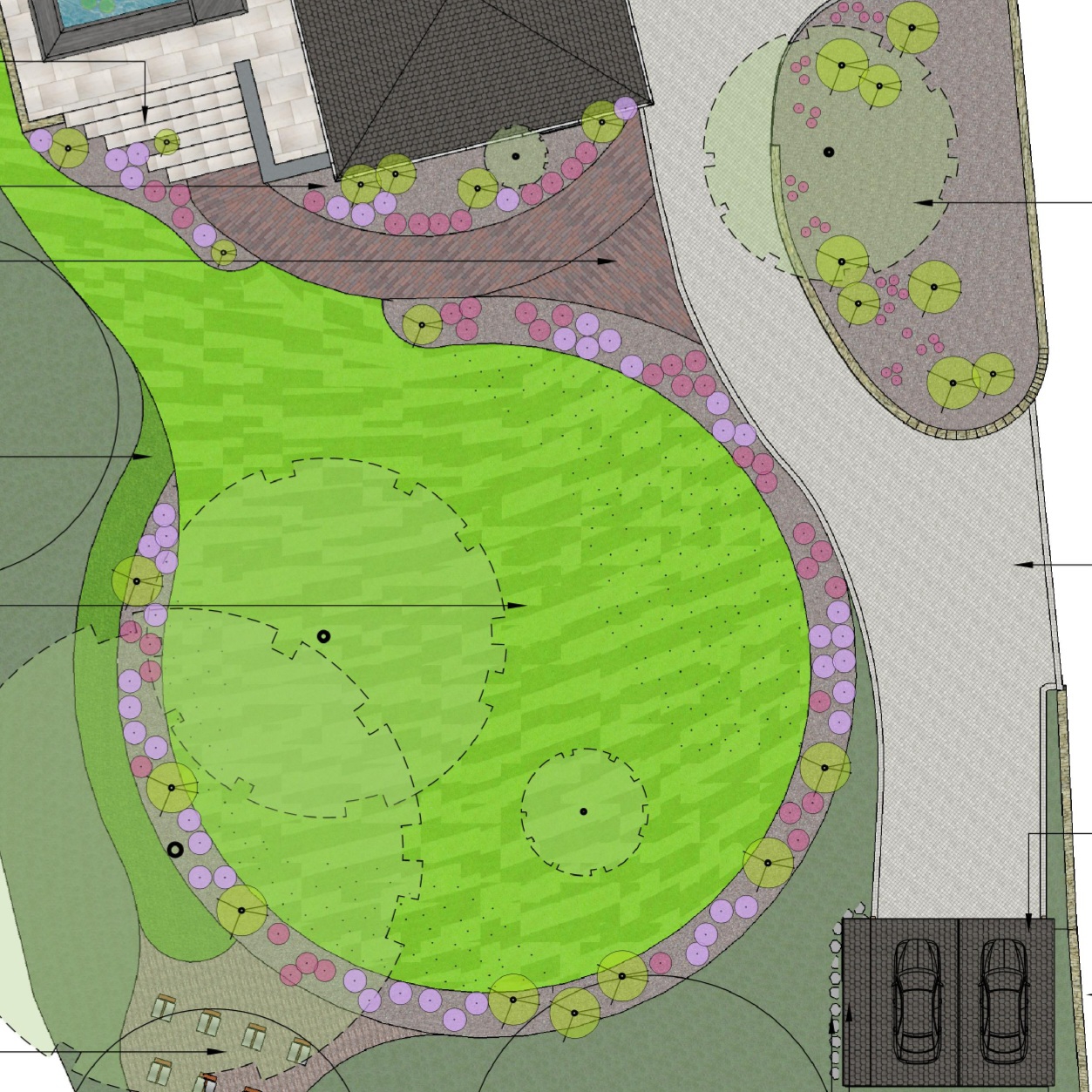
At the Chew Magna project, I've been tinkering with a large perennial border that has developed considerably over the growing season.
The Verbena bonariensis has been particularly successful, growing tall and producing a fantastic display. However, it's also become quite dominant, overshadowing some of the smaller plants, including white Echinacea and Rudbeckia.
Rather than simply reducing everything back, we're making some changes to give the different plants more appropriate space.
An existing hazel coppice area is being relocated, with the hazels moved further into the corners of the woodland garden. This opens up an opportunity to transplant the Echinaceas and Rudbeckias into the newly available space.
Meanwhile, the Verbena will be given a larger area of its own, complemented by taller ornamental grasses such as Stipa gigantea and Stipa tenuissima. The idea is to create a more substantial planting combination, allowing the tall Verbena to rise through the grasses without overwhelming the smaller perennials.
It's a good example of how established gardens can evolve over time. Sometimes a little rearranging and dividing is all that's needed to give plants a new lease of life and improve the overall balance of a border.
Autumn Meadow Management
October is also around the last opportunity to carry out the annual cut of established wildflower meadows.
Cutting and removing the meadow growth is an important part of maintaining a healthy wildflower area. By removing the clippings rather than leaving them to break down on the ground, we gradually reduce the fertility of the soil.
This is particularly important because many traditional wildflowers thrive in relatively nutrient-poor conditions, whereas more fertile soils tend to favour vigorous grasses that can outcompete them.
The cuttings don't need to go to waste either. Suitable material can be added to the compost heap, helping to turn what would otherwise be garden waste into something useful.
It's a straightforward but important part of maintaining a meadow and encouraging a greater diversity of wildflowers over time.
Working With Nature Throughout the Year
Ecological gardening isn't necessarily about making dramatic changes or creating completely wild spaces. Often, it's about making slightly different decisions when managing an existing garden.
Leaving some seed heads standing, creating habitats from woody prunings, making good compost, managing meadows and periodically reworking perennial planting are all relatively simple ways to make a garden work harder for nature.
The aim is to create gardens that are attractive, practical and enjoyable to use, while also making space for wildlife and improving the health of the soil.
As autumn turns to winter, there's plenty that can be done to prepare our gardens for the coming year. And sometimes, just as importantly, there's plenty that can be left alone.
Chew Gardens – Ecological Gardening, Design & Development across the Chew Valley and Somerset.